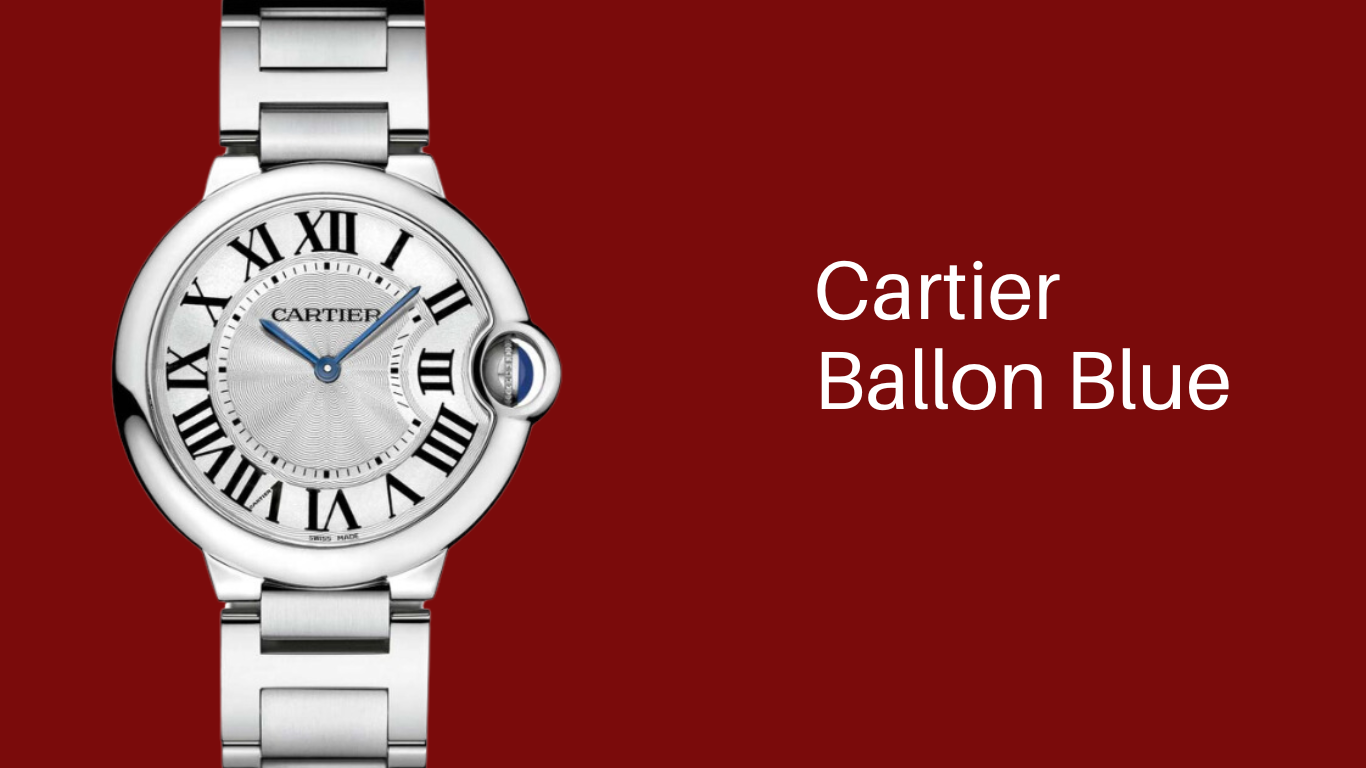
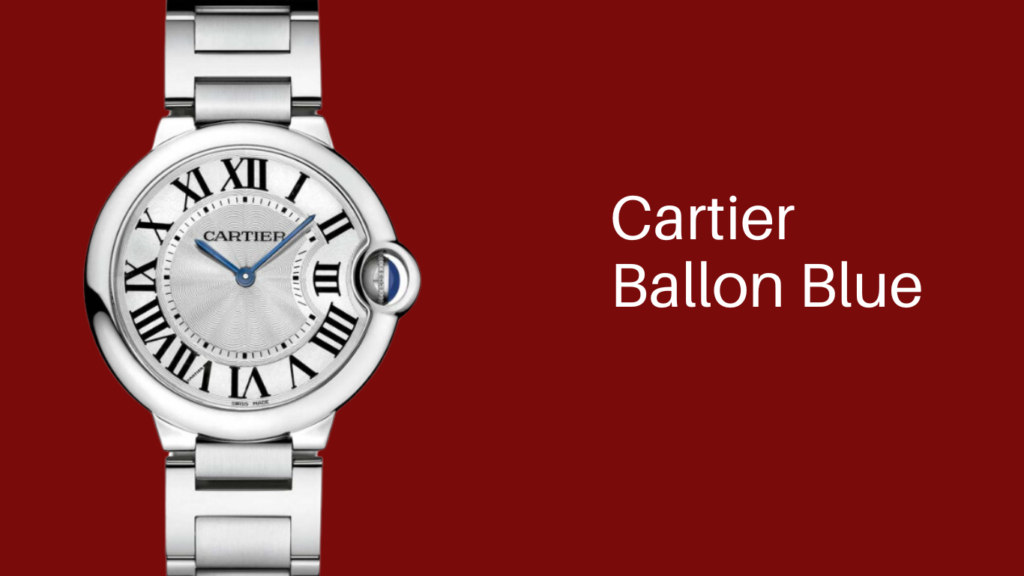
The Ballon Bleu de Cartier watch was created in 2007 as Cartier wanted to add to its magnificent collection something new that would challenge the watch world. Its unique aesthetic made a huge impact to the watch society, inspired from Balloons therefore the round shape reflected in its designs taking its name from the french “ballon” with its unique winding mechanism that add the BLUE in its name with the characteristic unique sapphire crown trademark for the Cartier watches.
CARTIER BALLON BLUE
Cartier Ballon Bleu Designs
Cartier Ballon Bleu throughout the years and the milestones over the designs evolution from 2007 till present:
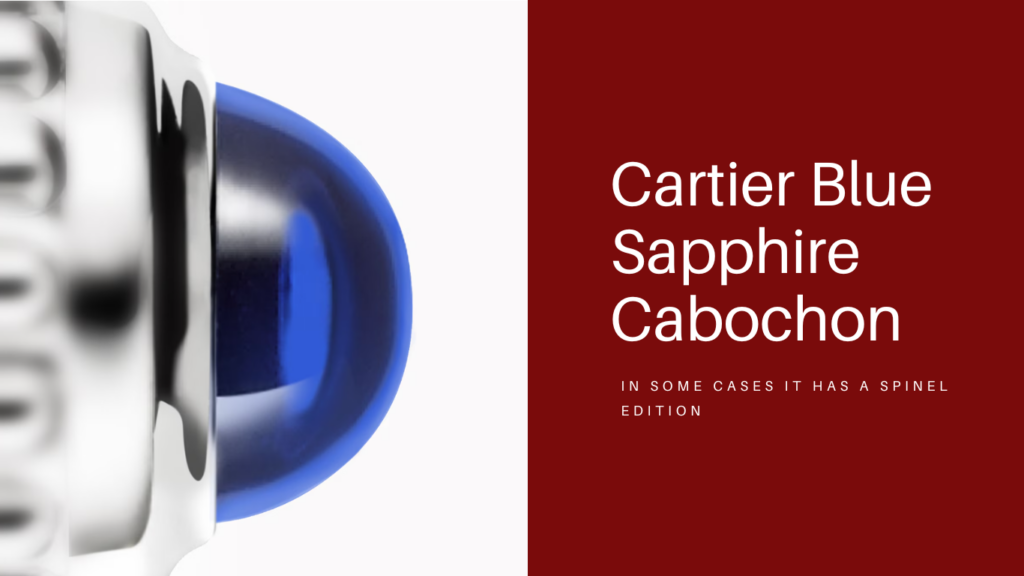
Blue Sapphire Cabochon: Its trademark blue sapphire integrated perfectly in its secured case to eliminate the cracks of the glass.
Blue Sapphire Cabochon
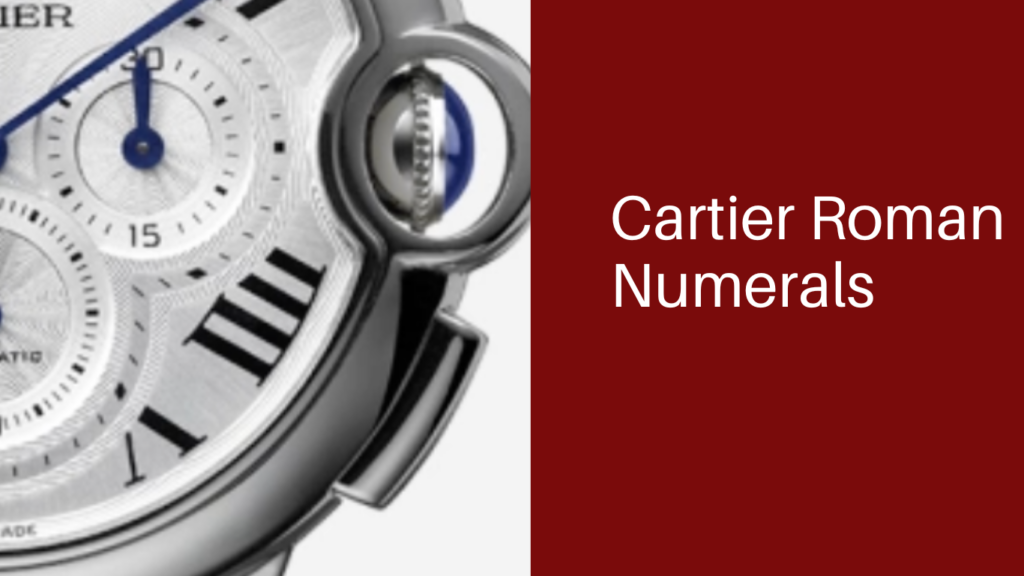
Roman Index: The Roman hour markers in the rounded case excellent example of the unique Cartier design
Cartier Numerals
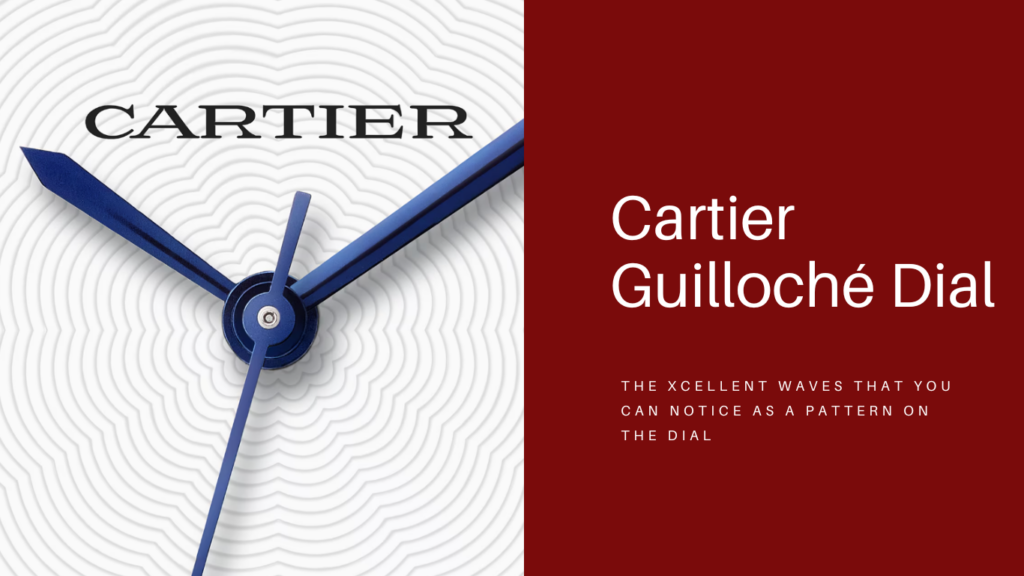
Guilloché Dial: The unique guilloché dial that decorates the Cartier watches with its unique patterns representing waves and sunrays.
Cartier Guilloché Dial
Rounded Case: The perfectly rounded case is a departure from the traditional rectangular shapes seen in other Cartier collections. It offers a modern, elegant look.
Blue Sapphire Cabochon: The crown is adorned with a blue sapphire cabochon, which is seamlessly integrated into the case design. This flash of colour is a classic Cartier design feature. In other designs we can find a spinel Crown.
Roman Numerals: The classic Roman numeral hour markers are slightly distorted by the curvature of the case, adding a unique visual effect.
Guilloché Dial: Many Ballon Bleu models feature a guilloché dial, showcasing Cartier’s commitment to exquisite craftsmanship.
Sword-Shaped Hands: The blue steel hands are a signature detail of Cartier watches.
Versatile Strap Options: Available with both metal bracelets and leather straps, allowing for a personalized touch.
Cartier Ballon Materials and Finishes
The Ballon Bleu de Cartier is available in a variety of materials to cater to different preferences and occasions:
Stainless Steel: This unique material offers an easy to wear watch for everyday life
Yellow Gold: Ballon Bleu in yellow gold offers a touch of luxury. An elegant amazing watch.
Rose Gold: This new material that is trending in high end jewellery. A loved one that creates a unique aesthetic.
Two-Tone: Do you want to wear something luxury and yet that can be adopted in everyday life then this is the combination for you.
Diamond-Set: For the people that just want to feel the luxury of precious stones in their everyday life.
Do you want to learn more about the history of Cartier! Check our article here
Vallée de Joux, Switzerland — Contributing Editor, high complications & independent watchmaking
Julien Favre learned the difference between good silence and bad silence before he was ten. Good silence was his grandfather at the bench in Le Sentier, loupe screwed into one eye, breathing shallow over a disassembled minute repeater. Bad silence was the moment a hairspring pinged off the peg-wood and disappeared into the floorboards. The family atelier — three generations of movement servicing for the maisons that carpet the Vallée de Joux — was never framed as a legacy Julien was expected to join. It simply was the house, the way weather is the house in a mountain valley.
He resisted it, predictably. He studied economics in Lausanne and spent two years in Geneva watch retail, selling the objects rather than opening them. What pulled him back was not sentiment but frustration: he found he could describe why a movement was beautiful far better than anyone selling it could, because he had seen its underside. He started writing — first a blog dissecting finishing under macro photography, then commissioned work for the trade press, then features that treated escapements the way music critics treat a fugue.
Julien now covers high complications, restoration, and the fragile economics of independent watchmaking for European and English-language titles. His reporting is unusually technical without being cold; he is as interested in the person hunched over the bench as in the tolerances they hold. He is skeptical of hype, allergic to press-release adjectives, and reliably the first to notice when a "revolutionary" caliber is a reworked ébauche.
He still returns to the family workshop each winter to service a single pocket watch on his grandfather's bench — a discipline, he says, that keeps his writing honest. A critic who cannot do the thing risks worshipping it. Byline version: Julien Favre is a contributing editor covering high complications and independent watchmaking. He grew up in a movement-servicing atelier in the Vallée de Joux and still works the family bench each winter
Vallée de Joux, Switzerland — Contributing Editor, high complications & independent watchmaking
Julien Favre learned the difference between good silence and bad silence before he was ten. Good silence was his grandfather at the bench in Le Sentier, loupe screwed into one eye, breathing shallow over a disassembled minute repeater. Bad silence was the moment a hairspring pinged off the peg-wood and disappeared into the floorboards. The family atelier — three generations of movement servicing for the maisons that carpet the Vallée de Joux — was never framed as a legacy Julien was expected to join. It simply was the house, the way weather is the house in a mountain valley.
He resisted it, predictably. He studied economics in Lausanne and spent two years in Geneva watch retail, selling the objects rather than opening them. What pulled him back was not sentiment but frustration: he found he could describe why a movement was beautiful far better than anyone selling it could, because he had seen its underside. He started writing — first a blog dissecting finishing under macro photography, then commissioned work for the trade press, then features that treated escapements the way music critics treat a fugue.
Julien now covers high complications, restoration, and the fragile economics of independent watchmaking for European and English-language titles. His reporting is unusually technical without being cold; he is as interested in the person hunched over the bench as in the tolerances they hold. He is skeptical of hype, allergic to press-release adjectives, and reliably the first to notice when a "revolutionary" caliber is a reworked ébauche.
He still returns to the family workshop each winter to service a single pocket watch on his grandfather's bench — a discipline, he says, that keeps his writing honest. A critic who cannot do the thing risks worshipping it.
Byline version: Julien Favre is a contributing editor covering high complications and independent watchmaking. He grew up in a movement-servicing atelier in the Vallée de Joux and still works the family bench each winter



Comments are closed.